
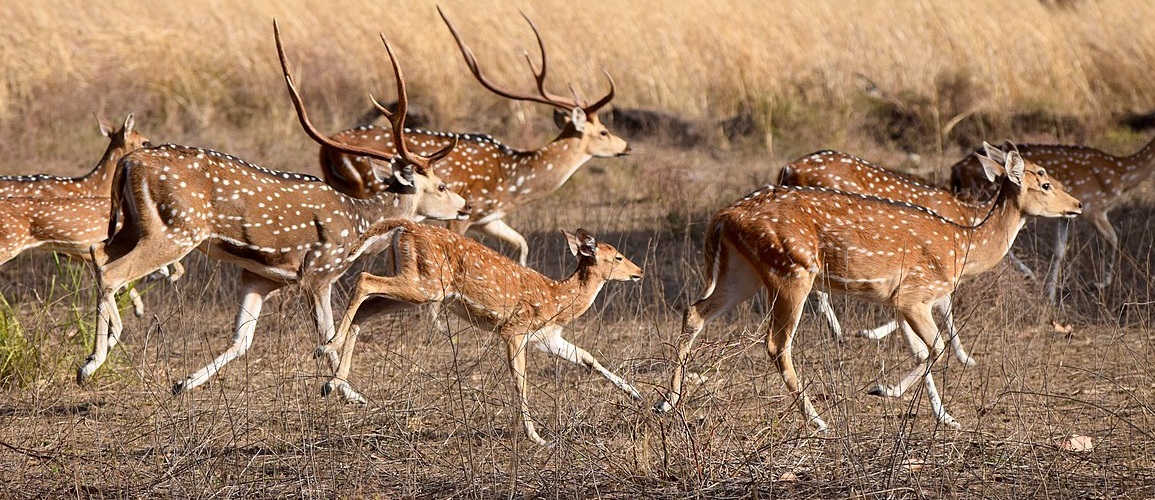
Pench National Park is one of those forests that slowly grow on a wildlife photographer. It is not just about tigers. It is about light, layers of forest, open grass patches, and silent water bodies. The national park sits on the border of Madhya Pradesh and Maharashtra and offers a beautiful mix of teak forest, dry deciduous trees, and rolling terrain. This natural layout creates clean sightlines and strong backgrounds for photography. For many professionals and enthusiasts, Pench National Park photography feels balanced and rewarding. You get big cats, birds, and daily forest life in one frame. Timing matters a lot here. Seasons change the forest’s colour, water levels, and animal movement. From October to May, the forest opens up slowly, making wildlife easier to see and capture. Tigers, leopards, deer, and birds respond differently in each phase. This is why knowing the ideal time for a Pench visit is crucial for photographers who want meaningful shots, not just sightings.
Understanding Pench’s Seasonal Cycle
After the monsoon ends, Pench starts to transform. The forest sheds excess greenery month by month. Water sources slowly reduce, and animals begin to follow fixed paths again. This cycle directly affects wildlife photography in Pench. In the early months, water is spread across the forest. Animals move freely, and the backgrounds look lush. As months pass, movement becomes predictable. Visibility improves and light becomes harsher but more dramatic. Seasonal timing controls how close you get, what kind of light you shoot in, and how clean your frames look. For photographers, this cycle is the real story of Pench.
• October to November - Fresh Greens and Soft Natural Light
October and November bring fresh life to the forest. The trees are green, the forest floor looks clean, and the dust is minimal. This period is perfect for scenic wildlife images. Bird activity is high during this phase. Resident birds become active, and early migratory species arrive. This makes these months ideal for bird-focused Pench National Park photography. Tigers and leopards are present but often blend into the greenery. Shots may need patience, but the backgrounds are worth it. These months suit photographers who prefer storytelling frames rather than tight portraits.
• December to February - Winter Clarity and Peak Animal Activity
Winter is when Pench becomes visually sharp. Foliage starts drying, and animals stand out clearly against muted tones. Visibility improves with every passing week. Cool temperatures allow animals to move for longer hours, especially in the morning. Foggy starts, golden sunrise light, and long shadows create mood-rich compositions. This is when the Pench tiger photography season reaches a strong phase. Tigers are more active, and chances of clear sightings improve. Leopards, deer, and gaur are often seen crossing open tracks.
• March to May - Summer Sightings and High-Impact Wildlife Frames
Summer is intense but rewarding. Water sources shrink, and animals gather near ponds and streams. Predator and prey interactions become frequent. This period offers the highest chances of close encounters with tigers and leopards. Light is harsh, especially by midday. But early morning and late afternoon still produce powerful frames. Dust, dry trees, and strong contrast add drama. Many professionals consider this the Best time to visit Pench if the goal is raw wildlife action.
Pench is known for its tigers, and October to May covers the full Pench tiger photography season. Each phase during these months offers something unique. If you enjoy soft light and layered forest scenes, the early months are ideal. If you prefer balanced conditions and clean sightings, winter is perfect. For bold, close, and dramatic wildlife frames, summer delivers unmatched results.
